It feels like just yesterday we were talking about basic diagnostic tools, but if you’re anything like me, you’ve noticed a seismic shift happening in the world of clinical pathology.

The pace of innovation in medical lab equipment is absolutely breathtaking, isn’t it? As someone who’s always got an eye on the pulse of healthcare technology, I’ve personally witnessed how these incredible advancements are revolutionizing everything from routine tests to complex disease detection.
We’re talking about a paradigm shift that’s not only making our jobs more efficient but, more importantly, enhancing patient outcomes in ways we only dreamed of a decade ago.
From hyper-intelligent automation systems that can handle thousands of samples with pinpoint accuracy to groundbreaking molecular diagnostics that uncover genetic secrets, the future is now.
It’s an exciting time to be involved in laboratory medicine, and honestly, keeping up can feel like a full-time job in itself! But don’t worry, I’ve done the digging for you, pulling together all the must-know insights.
Let’s dive deep into these game-changing trends and get you fully up to speed! Let’s explore this further.
The Smart Lab Revolution: Beyond Simple Automation
Honestly, when I first started in this field, the idea of a fully automated lab felt like something out of a science fiction movie. We were wrestling with pipettes and manual analyses, and the thought of machines handling thousands of samples with precision seemed almost impossible. But here we are! The advancements in laboratory automation aren’t just about speeding things up; they’re fundamentally changing how we approach diagnostics. It’s no longer just about a robotic arm moving samples around; it’s about integrated systems that think, learn, and even predict. From sample reception to result validation, these intelligent platforms are minimizing human error and freeing up our highly skilled professionals to focus on the truly complex cases that demand their unique expertise. I’ve personally seen how these systems can drastically reduce turnaround times, which, let’s be real, is a massive win for patient care. Imagine a patient waiting anxiously for results; every hour saved can make a world of difference. It’s truly a game-changer for workload management and accuracy, allowing labs to handle unprecedented volumes without compromising on quality. When I visit a lab equipped with these next-gen systems, the difference in workflow and staff morale is palpable; there’s less frantic rushing and more focused analysis. It’s exhilarating to witness.
Robotics and AI-Driven Workflows
The latest generation of lab automation is deeply intertwined with artificial intelligence. We’re talking about systems that can optimize workflows on the fly, identify bottlenecks before they even become an issue, and even prioritize urgent samples automatically. It’s a far cry from the fixed, rigid automation lines of the past. These AI-driven robotics can handle a broader array of tasks, from precise reagent dispensing to complex staining procedures, all with an unparalleled level of consistency. What I find truly fascinating is their ability to learn and adapt. The more data they process, the smarter they get, continuously refining their processes. This means fewer errors, less waste, and ultimately, more reliable results flowing back to clinicians. The integration extends beyond the physical handling of samples; it’s about the entire data ecosystem being optimized by intelligent algorithms, making the diagnostic journey smoother and more predictable. It truly feels like having an extra pair of super-intelligent hands in the lab, which, from my experience, is invaluable for maintaining peak performance.
Integrated Specimen Management Systems
One area where the “smart lab” concept truly shines is in specimen management. Gone are the days of manually tracking samples through various departments. Today’s integrated systems employ sophisticated RFID and barcode technologies, coupled with intelligent routing, to ensure every sample is accounted for, tracked in real-time, and directed to the correct analyzer with minimal human intervention. This isn’t just about convenience; it’s a critical component of patient safety and data integrity. I’ve personally seen how a robust specimen management system can virtually eliminate pre-analytical errors, which are often the trickiest to detect. From the moment a sample arrives, it’s under the digital watch of a system that ensures proper storage, timely processing, and accurate association with patient data. This comprehensive oversight offers immense peace of mind, knowing that the foundation of our diagnostic work is solid. It’s a seamless dance between hardware and software, designed to make every step of the sample journey flawless, which allows us, the humans, to focus on the interpretative challenges.
Unlocking Genetic Secrets: The Molecular Diagnostics Explosion
It feels like just yesterday we were limited to broad brushstrokes in disease diagnosis, but now, with molecular diagnostics, we’re literally peering into the very building blocks of life. This field has utterly exploded, and it’s truly breathtaking to witness. The ability to detect specific genetic markers, pathogens, and even predisposition to certain conditions at a molecular level has fundamentally changed the landscape of medicine. From infectious disease identification to personalized cancer therapies, these tools are providing insights that were unimaginable a decade ago. I’ve seen firsthand how a precise molecular diagnosis can guide a clinician towards the exact treatment path, saving precious time and, more importantly, lives. It’s not just about identifying *what* disease a patient has, but often *how* that disease behaves at a genetic level, which is a massive leap forward. The sensitivity and specificity of these tests are truly astonishing, pushing the boundaries of what’s possible in early detection and targeted intervention. It’s a field that constantly demands we stay on our toes, but the rewards in terms of patient outcomes are immeasurable. It’s the kind of progress that makes you genuinely excited to be part of the healthcare ecosystem.
Next-Generation Sequencing (NGS) Advancements
When it comes to depth of information, nothing quite beats Next-Generation Sequencing. It’s like going from reading a single page of a book to having access to the entire library, instantly. The sheer volume of genetic data we can now analyze in a single run is mind-boggling. NGS has moved beyond just research labs and is increasingly becoming a staple in clinical diagnostics, especially in oncology and rare disease identification. What’s truly revolutionary is the decreasing cost and increasing speed, making it more accessible than ever. I remember when an entire genome sequence was a monumental undertaking; now, it’s becoming a routine procedure in specialized labs. This allows us to identify subtle mutations, characterize complex genetic disorders, and even monitor treatment response by tracking changes in tumor DNA. For patients with elusive conditions, NGS can finally provide answers, bringing an end to years of diagnostic odysseys. From my own experience, explaining the power of NGS to clinicians is always met with awe because it truly opens up new avenues for patient care that were previously unimaginable. It’s not just a test; it’s a deep dive into an individual’s unique biological blueprint.
The Rise of Liquid Biopsies
If there’s one area in molecular diagnostics that truly excites me, it’s the advent and rapid progression of liquid biopsies. The idea that we can detect and monitor cancer, track infectious diseases, or even assess fetal health from a simple blood draw—without invasive procedures—is absolutely phenomenal. This technology leverages circulating tumor DNA (ctDNA), circulating cell-free DNA (cfDNA), and other biomarkers to provide real-time insights into a patient’s condition. For cancer patients, it means less painful monitoring, earlier detection of recurrence, and the ability to adapt treatment strategies much more quickly. I’ve heard countless stories from oncologists about how liquid biopsies have transformed their ability to manage patients, offering a less stressful and more dynamic approach to disease management. It’s still a relatively young field, but the potential is enormous, and I’m seeing new applications emerge almost monthly. This non-invasive approach is a game-changer, improving not only the diagnostic accuracy but also the overall patient experience by making monitoring less burdensome and more frequent when needed. It really embodies the future of precision medicine.
Precision Medicine’s Edge: Targeted Therapies and Companion Diagnostics
The shift towards precision medicine is perhaps one of the most profound transformations I’ve witnessed in healthcare, and clinical pathology is right at its heart. It’s no longer a one-size-fits-all approach; instead, we’re tailoring treatments based on an individual’s unique genetic makeup and disease characteristics. This isn’t just about better outcomes; it’s about smarter, more effective treatments that minimize side effects and maximize efficacy. The intricate dance between advanced diagnostics and novel therapeutics is truly remarkable. I’ve personally been involved in cases where understanding a specific biomarker made all the difference in a patient’s treatment trajectory. It provides clinicians with the confidence to prescribe specific drugs, knowing they are far more likely to work, rather than resorting to trial-and-error. This targeted approach is not just theory; it’s being implemented daily in oncology, pharmacogenomics, and infectious disease management, redefining what’s possible in patient care. The level of detail we can now provide to guide these decisions is a testament to the incredible advancements in our diagnostic tools, making us indispensable partners in modern medicine. It’s an incredibly rewarding space to be in, knowing our work directly impacts such critical decisions.
Companion Diagnostics: Guiding Treatment Choices
Companion diagnostics are, quite simply, essential for the era of precision medicine. These are tests that identify patients who are most likely to benefit from a particular targeted therapy or, conversely, those who may be at risk of serious adverse reactions. It’s about matching the right drug to the right patient, right from the start. I’ve seen the frustration when a potent drug fails to work because the patient lacked the specific biomarker, and then the relief when a companion diagnostic reveals the perfect match. This significantly reduces wasted time, resources, and patient suffering. The development of new drugs is increasingly tied to the development of these companion tests, creating a synergistic relationship that pushes the boundaries of effective treatment. From my perspective, these diagnostics are not just a tool; they are a critical bridge between laboratory insights and clinical success, ensuring that groundbreaking therapies reach the patients who need them most. It’s a clear example of how lab work directly translates into optimized patient care and truly personalizes treatment.
Pharmacogenomics: Tailoring Drug Dosages
Pharmacogenomics, or PGx, is another fascinating frontier where our lab work directly influences patient outcomes. It’s about understanding how an individual’s genetic makeup affects their response to drugs. Think about it: why do some people respond well to a medication, while others experience severe side effects or no effect at all? Often, the answer lies in their genes. PGx testing allows us to predict how a patient will metabolize certain drugs, guiding clinicians in selecting the right medication and the optimal dosage. I’ve personally encountered situations where PGx testing prevented adverse drug reactions or ensured a medication was effective from the first dose, avoiding a lengthy and frustrating period of dose adjustments. This level of personalized pharmaceutical care is revolutionary, moving us away from empirical prescribing to a data-driven approach. It’s about maximizing therapeutic benefit while minimizing harm, and it’s an area that I believe will become increasingly standard practice, making healthcare safer and more effective for everyone. It truly feels like science fiction becoming reality, offering a proactive approach to medication management.
Miniaturization and Point-of-Care Testing: Diagnostics on Demand
One of the trends that has absolutely captivated me is the incredible push towards miniaturization and the expansion of point-of-care testing (POCT). It feels like just yesterday we needed massive, dedicated labs for complex tests, but now, we’re seeing devices that can fit in the palm of your hand performing tasks that once required an entire bench. This isn’t just a matter of convenience; it’s a revolution in accessibility, bringing diagnostic capabilities closer to the patient, wherever they may be. From remote clinics to emergency rooms, POCT is enabling rapid decision-making, which can be absolutely critical in time-sensitive situations. I’ve heard countless anecdotes from practitioners about how having immediate results for things like flu, strep throat, or even cardiac markers has drastically improved patient management and outcomes, reducing the need for lengthy waits or additional clinic visits. It’s about democratizing diagnostics, making high-quality testing available where and when it’s most needed, which is a massive leap forward for global health equity. The innovation in this space is relentless, with new, more sophisticated devices constantly emerging, proving that sometimes, smaller really is better.
Handheld and Portable Diagnostic Devices
The innovation in handheld and portable diagnostic devices is truly astounding. We’re seeing everything from compact blood analyzers that can deliver lab-quality results in minutes to portable ultrasound machines that can be carried in a backpack. These aren’t just scaled-down versions of larger instruments; they’re often designed with unique microfluidic technologies and advanced sensor arrays that allow for robust performance outside the traditional lab setting. I’ve personally seen how these devices empower healthcare providers in rural areas, enabling them to offer services that were previously only available in major hospitals. Imagine being able to quickly assess a patient’s electrolyte balance or blood glucose levels right at their bedside in an emergency, leading to immediate intervention. This rapid feedback loop is invaluable. It’s not just about speed; it’s about making diagnostics an integral part of the patient’s immediate care, reducing delays and improving overall efficiency. It’s a trend that speaks to the future of responsive, adaptive healthcare, and honestly, it’s one of the most exciting developments I follow.
Emergence of Microfluidics and Lab-on-a-Chip Technologies
The magic behind much of this miniaturization lies in microfluidics and lab-on-a-chip technologies. These incredible innovations allow us to manipulate tiny volumes of fluids (often down to picoliters!) within microscopic channels, enabling multiple laboratory functions on a single, small chip. It’s like having an entire laboratory shrink-wrapped onto a device the size of a credit card. I’ve been fascinated watching the progression of these technologies, seeing how they’re being applied to everything from rapid pathogen detection to complex biochemical assays. This isn’t just about making things smaller; it’s about making them more efficient, using fewer reagents, and generating results with incredible speed and accuracy. The implications for diagnostics in resource-limited settings are immense, as these platforms often require minimal infrastructure and can be operated with relative ease. It feels like the ultimate engineering challenge in biomedical science, where ingenious design meets critical diagnostic needs, constantly pushing the boundaries of what a single, tiny chip can accomplish. It’s truly a marvel of modern engineering applied to healthcare.
Data-Driven Insights: The Power of Informatics and AI in Diagnosis
As a lab professional, I’ve always understood the importance of data, but what’s happening now with lab informatics and AI is on an entirely different level. We’re moving beyond just storing results to actively extracting profound insights from vast datasets. It’s like having a super-intelligent detective sifting through mountains of information to find the subtle clues that we, as humans, might miss. This isn’t about replacing the human element; it’s about augmenting our capabilities and giving us powerful tools to make even more informed diagnostic decisions. From identifying emerging public health threats by analyzing population-level lab data to flagging unusual patterns in individual patient results that could indicate a rare disease, the potential is boundless. I’ve seen how these systems can proactively alert us to potential issues, allowing for earlier intervention and better patient management. The integration of AI into laboratory information systems (LIS) and pathology workflows is truly transforming how we interpret complex diagnostic information, ensuring that every piece of data contributes meaningfully to patient care. It’s exciting to be at the forefront of this data revolution, leveraging technology to make healthcare smarter and more predictive.
Predictive Analytics for Disease Progression
One of the most exciting applications of AI in lab informatics is predictive analytics. This technology doesn’t just tell us what’s happening now; it can forecast what might happen next based on current and historical data. Imagine being able to predict a patient’s risk of developing a certain complication or how a disease might progress, simply by analyzing their lab results in conjunction with other clinical data. I’ve personally witnessed the impact of these predictive models, particularly in managing chronic diseases or identifying patients at high risk for sepsis or acute kidney injury. It empowers clinicians to intervene proactively, often preventing adverse events before they even occur. This shift from reactive to proactive healthcare is monumental, and it’s all powered by sophisticated algorithms that learn from vast amounts of patient data. It feels like we’re gaining a crystal ball, allowing us to anticipate needs and tailor interventions more precisely than ever before, which, from my experience, truly enhances patient safety and outcomes. It’s a powerful tool that adds a whole new dimension to diagnostic medicine.
Image Analysis and Digital Pathology
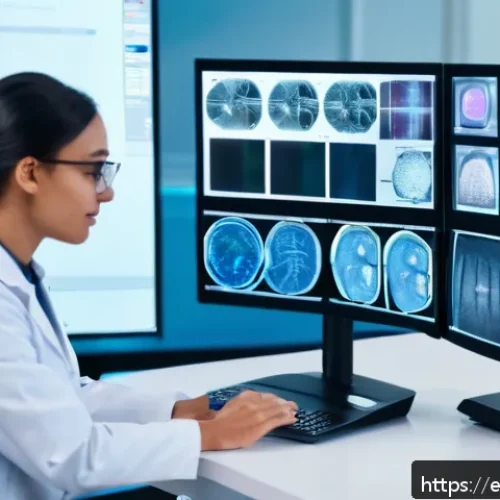
For those of us in pathology, the advancements in digital pathology and AI-powered image analysis are nothing short of revolutionary. Gone are the days when a pathologist had to physically examine every slide under a microscope for hours on end. Now, high-resolution digital scans of tissue samples can be analyzed by AI algorithms that can identify abnormal cells, quantify disease markers, and even assist in grading tumors with incredible accuracy and speed. I’ve seen firsthand how these systems can flag suspicious areas for a pathologist to review, essentially acting as a tireless second pair of eyes. This not only increases efficiency but also reduces diagnostic variability and improves consistency across different labs. The ability to share digital slides instantly for remote consultation is also a huge boon, especially in complex cases or for seeking second opinions. It feels like we’re giving pathologists superpowers, enabling them to work smarter and more collaboratively, ultimately leading to more precise and timely diagnoses for patients. It’s an area where technology truly amplifies human expertise.
Sustainability and Efficiency: Building the Green Lab of Tomorrow
As much as we focus on technological marvels, I’ve also become increasingly passionate about another critical trend: making our labs more sustainable and environmentally friendly. It’s easy to get caught up in the shiny new equipment, but the reality is that labs consume significant resources and generate a fair amount of waste. However, I’m seeing a wonderful shift towards greener practices and more efficient operations, which is incredibly encouraging. This isn’t just about being good global citizens; it’s also about smart economics, as reducing waste and energy consumption often leads to significant cost savings. From energy-efficient analyzers to responsible waste management protocols, the emphasis is now on creating labs that are not only diagnostically superior but also ecologically responsible. I’ve personally been involved in discussions about implementing these changes, and the enthusiasm from lab managers and staff is palpable. It feels good to know that while we’re advancing patient care, we’re also mindful of our environmental footprint. It’s a holistic approach to laboratory excellence that I believe will become the gold standard moving forward.
Energy-Efficient Laboratory Equipment
The drive for energy efficiency in laboratory equipment is a trend that truly excites me, not just for the planet but for the lab’s bottom line. Manufacturers are increasingly designing analyzers, refrigerators, and other essential equipment with reduced energy consumption in mind. This means innovations like intelligent cooling systems, standby modes, and more efficient heating elements are becoming standard. I’ve seen labs make significant strides in cutting their energy bills simply by upgrading to newer, more eco-conscious models. This isn’t a compromise on performance; in many cases, these greener machines are also more technologically advanced, offering better precision and speed while consuming less power. It feels like a win-win situation, where sustainability and operational excellence go hand-in-hand. The conscious effort by manufacturers to innovate in this space shows a real commitment to a sustainable future for laboratory medicine, and it’s a trend that I actively champion whenever I talk to colleagues about lab upgrades. It’s about building a better future, one energy-efficient machine at a time.
Waste Reduction and Recycling Initiatives
Waste reduction is another huge focus in the quest for a greener lab, and it’s an area where every single person in the lab can make a difference. We generate a lot of plastic, chemical waste, and biohazardous materials, and managing this responsibly is paramount. The trend I’m observing is a concerted effort to minimize single-use plastics where possible, implement robust recycling programs for non-contaminated materials, and adopt more environmentally friendly reagents and consumables. I’ve personally seen innovative solutions, from reagent concentration improvements that reduce packaging to specialized waste disposal systems that neutralize hazardous materials on-site. It takes conscious effort and planning, but the impact is profound. It’s about fostering a culture of sustainability within the lab, where everyone is aware of their environmental responsibility. This proactive approach to waste management not only benefits the environment but also often streamlines purchasing and inventory management, making the lab run more efficiently overall. It really speaks to a broader, more responsible vision for clinical pathology.

The Human Touch Enhanced: Empowering Lab Professionals
While we talk a lot about incredible machines and algorithms, it’s crucial to remember that at the heart of every lab is a team of brilliant, dedicated professionals. The latest trends in lab equipment aren’t about replacing us; they’re about empowering us to do our jobs better, faster, and with greater accuracy. I’ve personally experienced the frustration of being bogged down by repetitive tasks, and the relief that comes when automation takes over, freeing me to focus on the truly intellectual challenges of diagnosis. These advancements allow us to spend more time on complex case interpretation, research, and collaborative problem-solving, which is where our unique human expertise truly shines. It’s about shifting our roles from manual operators to highly skilled interpreters and strategists. The goal is to elevate the human element in the lab, leveraging technology to amplify our capabilities and ultimately improve patient outcomes. It feels incredibly motivating to work in an environment where innovation is actively designed to support and enhance our professional growth, rather than diminish it. This symbiotic relationship between human expertise and cutting-edge technology is what I believe defines the modern clinical laboratory.
Upskilling and Training for New Technologies
With all these rapid advancements, the need for continuous upskilling and specialized training has become more critical than ever, and it’s a trend I’m personally invested in. It’s not enough to simply install new equipment; our teams need to be expertly trained to operate, troubleshoot, and maximize the potential of these sophisticated systems. I’ve seen labs invest heavily in robust training programs, often in partnership with equipment manufacturers, to ensure their staff are not just users but masters of the new technology. This commitment to ongoing education is vital for maintaining high standards of quality and efficiency. It feels incredibly empowering when you learn to harness the full power of a new analyzer or software system. It’s about professional development that keeps us at the cutting edge, ensuring that our skills evolve alongside the technology. From my perspective, a well-trained workforce is the cornerstone of any successful modern laboratory, and this trend towards continuous learning is something I wholeheartedly support and encourage everyone in the field to embrace.
Ergonomics and Workflow Optimization
Another area that often goes overlooked but is gaining crucial attention is the focus on ergonomics and workflow optimization within the lab. With increasingly sophisticated equipment and high throughput, designing a lab space and workflow that is both efficient and comfortable for staff is paramount. Manufacturers are now designing equipment with better user interfaces, easier maintenance access, and reduced noise levels, all contributing to a more pleasant working environment. I’ve personally noticed how a well-designed workstation, with thoughtful placement of instruments and intuitive software, can significantly reduce physical strain and mental fatigue, which in turn leads to fewer errors and higher job satisfaction. It’s about creating an environment where lab professionals can perform their critical work without unnecessary physical burden. This focus on human factors in lab design demonstrates a genuine appreciation for the invaluable contributions of lab staff, making the workplace safer, more comfortable, and ultimately more productive. It’s a trend that truly puts people first, which is something I deeply appreciate.
Diagnostic Foresight: Embracing Predictive and Preventive Health
The ultimate goal of many of these technological advancements, in my view, is to empower us to move beyond just diagnosing illness to actively contributing to predictive and preventive health. It’s not just about what’s happening now; it’s about anticipating future health challenges and intervening before they become critical. This paradigm shift from reactive to proactive healthcare is incredibly exciting and puts clinical pathology in an even more central role. By leveraging advanced diagnostics, big data analytics, and molecular insights, we’re providing clinicians with the tools to identify at-risk individuals, monitor subtle changes, and tailor preventive strategies. I’ve personally seen how early detection, enabled by sensitive new tests, can dramatically alter a patient’s prognosis. It’s about catching things when they’re manageable, rather than waiting for them to escalate. This foresight is revolutionizing how we approach chronic diseases, cancer screening, and even wellness management. It feels like we’re genuinely building a healthier future, one where diagnostics plays a pivotal role in keeping people well, rather than just treating them when they’re sick. This is truly the future of healthcare, and it’s being built in our labs today.
Early Disease Detection Technologies
The holy grail of diagnostics has always been early disease detection, and with the latest equipment, we are making incredible strides. We’re talking about highly sensitive tests that can detect biomarkers for cancer, neurodegenerative diseases, and infectious agents at their earliest, most treatable stages. Innovations like highly sensitive immunoassays, advanced mass spectrometry, and enhanced molecular panels are pushing the boundaries of what’s possible. I’ve heard countless stories of lives saved because a novel diagnostic test identified a condition long before symptoms appeared, allowing for timely intervention. This proactive approach dramatically improves treatment outcomes and often reduces the invasiveness of subsequent medical procedures. It’s not just about detecting disease; it’s about detecting it *early*, when interventions are most effective. From my experience, these technologies offer immense hope, turning what were once daunting diagnoses into manageable conditions. It truly underlines the power of foresight in medicine, driven by our relentless pursuit of more sensitive and specific diagnostic tools.
Population Health Monitoring and Public Health Preparedness
Beyond individual patient care, the advanced capabilities of modern lab equipment are also critically important for population health monitoring and public health preparedness. The ability to rapidly test large volumes of samples, identify emerging pathogens, track antibiotic resistance patterns, and analyze trends in disease prevalence is more crucial than ever. The lessons learned from recent global health crises have underscored the vital role of robust, adaptable laboratory infrastructure. I’ve personally seen labs rapidly pivot and scale up testing capabilities in response to public health emergencies, thanks to the flexibility and throughput of new diagnostic platforms. This isn’t just about responding to current threats; it’s about building resilience and preparing for future challenges. The integration of lab data with public health informatics allows for real-time surveillance, enabling swift, informed decisions at a population level. It feels like our labs are on the front lines, not just treating the sick, but actively safeguarding the health of entire communities, a responsibility that I find incredibly meaningful and impactful.
| Trend/Technology | Key Features & Benefits | Impact on Lab Operations | Patient Outcome Enhancement |
|---|---|---|---|
Integrated Automation Systems |
AI-driven robotics, optimized workflows, automated sample handling, reduced human error. | Significantly increased throughput, reduced turnaround times, improved consistency, staff freed for complex tasks. | Faster, more reliable results; reduced diagnostic delays, improved patient experience. |
Next-Generation Sequencing (NGS) |
High-throughput DNA/RNA sequencing, comprehensive genetic profiling, decreased cost per run. | Enables detailed genetic insights, new diagnostic panels, research capabilities within clinical settings. | Precision diagnoses for rare diseases and cancer, guided personalized therapies, improved prognosis. |
Liquid Biopsies |
Non-invasive detection of ctDNA/cfDNA, real-time disease monitoring, minimal patient discomfort. | Reduced need for invasive procedures, dynamic monitoring of disease progression and treatment response. | Earlier detection of cancer recurrence, personalized treatment adjustments, better quality of life during monitoring. |
Point-of-Care Testing (POCT) |
Miniaturized, portable devices, rapid results at bedside or remote locations, user-friendly interfaces. | Decentralized testing, immediate results, reduced sample transportation needs, improved patient flow. | Rapid clinical decision-making, timely intervention in emergencies, increased access to diagnostics in underserved areas. |
AI in Digital Pathology |
Automated image analysis, quantification of biomarkers, pathology slide digitization, remote consultation. | Increased diagnostic accuracy and consistency, reduced pathologist workload, efficient second opinions. | Faster and more precise cancer diagnoses, better prognostication, access to specialized expertise. |
Wrapping Things Up
Whew, what a journey through the incredible advancements shaping our labs today! It’s truly inspiring to see how far we’ve come, transforming clinical pathology from a largely manual process to a high-tech, data-driven powerhouse. What excites me most is not just the individual breakthroughs, but how all these trends—from smart automation and molecular diagnostics to AI-powered insights and green initiatives—are converging to create a healthcare system that’s more precise, proactive, and ultimately, more humane. It’s a privilege to be part of this revolution, witnessing firsthand how our daily work in the lab directly translates into better patient outcomes and a healthier future for everyone. The pace of innovation is relentless, and honestly, that’s what makes this field so exhilarating!
Essential Takeaways for the Modern Lab
Here are some quick pointers to keep in mind as you navigate the ever-evolving landscape of clinical diagnostics:
1. Embrace Automation and AI: Don’t view these as threats, but as powerful allies. Integrated automation streamlines workflows, reduces errors, and frees up your expert staff for the more complex, critical thinking tasks. AI, in particular, is becoming indispensable for data analysis and predictive insights.
2. Dive into Molecular Diagnostics: The future of precision medicine is deeply rooted here. Technologies like Next-Generation Sequencing (NGS) and liquid biopsies are providing unprecedented detail, enabling personalized treatments and earlier, less invasive disease detection.
3. Champion Point-of-Care Testing (POCT): This isn’t just a convenience; it’s a game-changer for accessibility and rapid decision-making. Portable, user-friendly devices are bringing essential diagnostics closer to patients, particularly in urgent or remote settings.
4. Leverage Data and Digital Pathology: The sheer volume of data generated in labs holds immense untapped potential. Utilizing advanced informatics and digital pathology, especially with AI-driven image analysis, will lead to smarter diagnoses and more efficient operations.
5. Prioritize Sustainability and People: A truly modern lab isn’t just technologically advanced; it’s also environmentally responsible and focused on empowering its human talent. Invest in energy-efficient equipment, waste reduction, continuous training, and ergonomic workspaces to create a thriving, forward-thinking environment.
Key Principles to Remember
The core message here is clear: our labs are undergoing a profound transformation. By embracing these cutting-edge trends, we’re not just improving efficiency; we’re actively shaping the future of healthcare to be more predictive, personalized, and preventive. It’s an exciting time to be in the diagnostic world, and by staying agile and informed, we can ensure our contributions remain at the forefront of medical innovation, always with the patient’s well-being at heart.
Frequently Asked Questions (FAQ) 📖
Q: What are the most exciting breakthroughs in medical lab equipment that are truly revolutionizing patient care today?
A: Oh, where do I even begin? It feels like we’re living in a science fiction novel sometimes! From what I’ve seen and the trends I’m tracking, the biggest game-changers right now are hyper-intelligent automation systems, next-generation sequencing (NGS), and the incredible power of artificial intelligence (AI) and machine learning.
Automation and robotics are doing wonders to streamline lab processes, making everything faster and cutting down on human error – which, let’s be honest, frees us up for the really critical stuff.
I’ve personally witnessed how labs are using these to handle thousands of samples with pinpoint accuracy, meaning quicker turnaround times for results that doctors desperately need.
Then there’s NGS, which is just mind-blowing. It lets us dive deep into a patient’s genetic makeup, uncovering secrets that lead to personalized treatments, especially in areas like oncology and genetic disorders.
And AI? It’s not just a buzzword; it’s revolutionizing diagnostics by analyzing complex data, helping us spot subtle disease patterns, and even predict treatment responses with incredible accuracy.
I’m talking about systems that can interpret images faster than the human eye and assist in identifying abnormalities, significantly reducing diagnosis time.
It truly feels like we’re giving healthcare professionals superpowers!
Q: How are these new technologies translating into better patient outcomes and more efficient lab operations?
A: That’s the million-dollar question, isn’t it? And honestly, the answer is incredibly positive. From my vantage point, these innovations are making a tangible difference.
First off, faster and more accurate diagnoses are a huge win. When you can detect pathogens in hours or get precise genetic insights quickly, treatment can start earlier, and we all know how crucial that is for success.
I’ve seen first-hand how personalized medicine, driven by advanced genetic testing, means patients get treatments tailored specifically to them, increasing effectiveness and minimizing side effects.
It’s like moving from a one-size-fits-all approach to a perfectly customized solution. On the efficiency front, automation and AI are absolute rockstars.
They reduce manual steps, improve reproducibility, and free up our amazing lab professionals to focus on higher-value activities like complex analysis and collaboration.
Less human error, more consistent results, and quicker turnaround times mean doctors get the information they need sooner, leading to more informed decisions and, ultimately, much better patient care.
It’s a win-win for everyone involved!
Q: With such rapid advancements, what are the biggest challenges facing clinical laboratories, and what do you see on the horizon for this exciting field?
A: You’ve hit on a crucial point! While the pace is exhilarating, it certainly comes with its share of hurdles. One of the biggest challenges I hear about, and have observed, is the sheer cost of adopting and integrating these cutting-edge technologies.
New equipment and advanced software can be a significant investment, especially for smaller labs. Then there’s the workforce aspect – ensuring our talented lab professionals have the necessary training and skills to operate and interpret results from these sophisticated systems.
It’s a constant learning curve! Also, managing the vast amounts of data these technologies generate, securely and effectively, is a huge undertaking. Looking ahead, though, I’m incredibly optimistic!
I foresee even deeper integration of AI for predictive analytics, helping us forecast disease progression and create even more personalized treatment plans.
Point-of-care testing (POCT) is also going to keep expanding, bringing diagnostics closer to the patient, even into homes, making healthcare more accessible than ever.
And I truly believe we’ll see more collaborative innovation across the healthcare landscape, with labs becoming even more integral partners in patient management, moving beyond just generating data to providing invaluable knowledge services.
The future of laboratory medicine is not just about technology; it’s about smarter, more patient-centric care, and that’s something truly inspiring to witness.