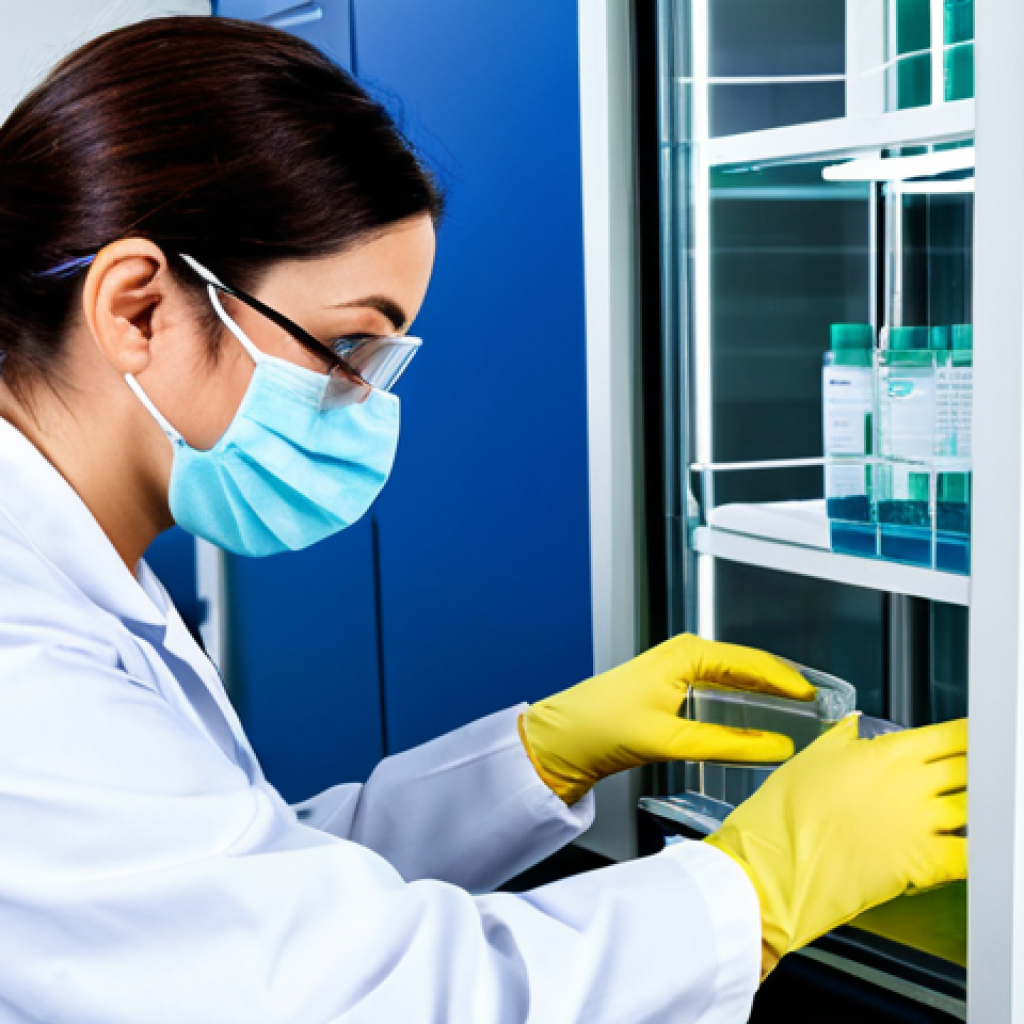
Stepping into a medical lab, you quickly realize it’s a world where precision isn’t just a goal, it’s the air we breathe. As a medical laboratory professional, I’ve spent years immersed in the intricate dance of diagnostics, deciphering the body’s hidden stories through samples.
But beyond the microscopes and reagents, there’s an unseen guardian standing sentinel: infection control. It’s more than just donning gloves and masks; it’s a profound responsibility, a critical layer in patient safety that impacts every single test we run and every life we touch.
The recent global health challenges, like the shadow of COVID-19, have drastically reshaped our understanding and approach to laboratory safety and public health.
We’re witnessing an accelerated push towards advanced automation and AI in diagnostics, not just to improve turnaround times, but to create safer, more contained environments for handling infectious agents.
It’s a dynamic field, constantly evolving, with new threats like emerging superbugs and the urgent need for robust surveillance pushing us to innovate faster than ever before.
From personalized infection prevention strategies powered by genetic insights to rapid, on-site pathogen identification, the future of lab work and infection management is thrillingly complex and vital.
It’s about being proactive, not just reactive, in safeguarding health on a massive scale. Let’s delve into the specifics of this crucial work.
Stepping into a medical lab, you quickly realize it’s a world where precision isn’t just a goal, it’s the air we breathe. As a medical laboratory professional, I’ve spent years immersed in the intricate dance of diagnostics, deciphering the body’s hidden stories through samples.
But beyond the microscopes and reagents, there’s an unseen guardian standing sentinel: infection control. It’s more than just donning gloves and masks; it’s a profound responsibility, a critical layer in patient safety that impacts every single test we run and every life we touch.
The recent global health challenges, like the shadow of COVID-19, have drastically reshaped our understanding and approach to laboratory safety and public health.
We’re witnessing an accelerated push towards advanced automation and AI in diagnostics, not just to improve turnaround times, but to create safer, more contained environments for handling infectious agents.
It’s a dynamic field, constantly evolving, with new threats like emerging superbugs and the urgent need for robust surveillance pushing us to innovate faster than ever before.
From personalized infection prevention strategies powered by genetic insights to rapid, on-site pathogen identification, the future of lab work and infection management is thrillingly complex and vital.
It’s about being proactive, not just reactive, in safeguarding health on a massive scale. Let’s delve into the specifics of this crucial work.
The Invisible Shield: Understanding Laboratory Biosecurity Levels

When I first stepped into a high-containment lab, the feeling was palpable: a blend of awe and a healthy respect for the unseen dangers. It’s a stark reminder that not all pathogens are created equal, and neither are the facilities designed to handle them. We talk a lot about “infection control,” but at its core, it’s about meticulously understanding and categorizing risk, then building layers of defense around it. This is where biosafety levels, or BSLs, come into play – they’re not just abstract classifications from a textbook; they’re the architectural blueprints for keeping incredibly dangerous microbes locked away while allowing us to study them. From the moment a sample arrives, whether it’s a routine blood draw or a suspected novel virus, its journey through the lab is dictated by its potential for harm. This tiered system ensures that the most innocuous samples, like those for basic blood counts, are handled with standard precautions, while something as devastating as Ebola requires an entirely different universe of containment. It’s a constant mental checklist, a deeply ingrained habit, to assess, protect, and proceed with unwavering diligence.
1. The Rationale Behind Biosafety Levels (BSL-1 to BSL-4)
Each Biosafety Level (BSL) represents a specific set of practices, safety equipment, and facility designs tailored to the risk group of the microorganisms being handled. BSL-1 labs, for instance, are designed for agents not known to cause disease in healthy adults, requiring minimal containment like basic lab benches and handwashing. Think common bacteria used in teaching labs. As we move up, the stakes, and the requirements, escalate dramatically. BSL-2 is where most clinical diagnostic labs operate, dealing with moderate-risk agents like influenza or Salmonella. This level introduces biohazard cabinets, strict sharps management, and limited access. BSL-3 is for indigenous or exotic agents that can cause serious or potentially lethal disease through inhalation, demanding controlled access, specialized ventilation, and more stringent personal protective equipment. And then there’s BSL-4, the pinnacle of containment, reserved for dangerous and exotic agents that pose a high risk of life-threatening disease for which no vaccine or therapy is available, such as the Ebola virus or Marburg virus. These labs are essentially airtight fortresses with full-body, positive-pressure suits and multiple layers of isolation. My personal experience, thankfully, has been predominantly in BSL-2 environments, but the training and understanding of all levels are crucial because you never know what the next sample might hold.
2. Navigating Risk: Practical Applications in a Diagnostic Setting
In the day-to-day bustle of a diagnostic lab, applying these BSL principles isn’t about rigid adherence to a rulebook; it’s about dynamic risk assessment. I recall one instance where we received a sample from a patient with an unusual presentation, initially appearing to be a routine case. However, subsequent clinical updates raised suspicion of a more virulent, emerging pathogen. Immediately, our internal protocols kicked in, escalating the handling from a standard BSL-2 approach to a more cautious BSL-3-like procedure within our BSL-2 facility, using additional barriers and increased vigilance until the pathogen was definitively identified. This involved double-gloving, working exclusively within a certified biosafety cabinet, and decontaminating every surface multiple times. It’s this quick thinking, born from deep understanding and rigorous training, that truly makes a difference. We’re constantly balancing the need for rapid diagnostics with the absolute imperative of preventing lab-acquired infections. Every tube, every plate, every microscopic slide represents a potential pathway for pathogens, and our job is to ensure those pathways remain sealed.
Beyond the Glove: The Pillars of a Robust Infection Control Culture
It’s easy to think of infection control as just putting on gloves and a mask. But from where I stand, having spent countless hours at the bench, it’s so much more profound. It’s an entire ecosystem of practices, behaviors, and an unwavering mindset. It’s the silent hum of the biosafety cabinet, the meticulous way we manage waste, and the almost ritualistic approach to cleaning spills. This isn’t just about protecting ourselves; it’s about safeguarding every patient whose sample we touch and ensuring the integrity of every result we release. A lapse in any of these areas, even a seemingly minor one, can have cascading effects, compromising safety, sample quality, and ultimately, patient care. I’ve witnessed firsthand how a well-drilled team, where every member understands their role and responsibility in this intricate dance, can navigate even the most challenging situations with calm precision, minimizing risk at every turn. It’s not just a set of rules; it’s a shared commitment to excellence and safety that defines every moment in the lab.
1. The Indispensable Role of Personal Protective Equipment (PPE)
When you put on that lab coat, those gloves, and perhaps a face shield, you’re not just getting dressed for work; you’re donning your armor. PPE is the frontline defense, the most visible aspect of infection control. But it’s not a ‘one size fits all’ solution. My experience has taught me the subtle nuances of choosing the right glove for the task – whether it’s a thin nitrile for routine blood draws or a more robust pair for handling strong chemicals or larger biological spills. And then there’s the critical art of donning and doffing. I’ve personally trained new lab technicians, patiently guiding them through the exact sequence of removing contaminated gloves without touching exposed skin, or carefully taking off a respirator. It’s a precise ballet, and getting it wrong can instantly negate all the protection. During the peak of the pandemic, the global scramble for PPE underscored its critical importance. I remember the immense relief and gratitude when new shipments arrived, knowing that our ability to safely process thousands of COVID-19 tests hinged directly on having adequate supplies of masks, gowns, and gloves. It was a stark reminder of how interconnected our individual safety is with global supply chains.
2. Aseptic Technique: The Unsung Hero of Sample Integrity
If PPE is the armor, then aseptic technique is the refined swordplay. It’s about preventing contamination – not just of the lab worker, but of the sample itself. Every time I open a sterile package, transfer a culture, or prepare a microscopic slide, I’m thinking about maintaining a sterile field and preventing cross-contamination. It’s the subtle art of flaming a loop, working close to a Bunsen burner, or ensuring surfaces are meticulously disinfected before use. I once observed a new technologist inadvertently introducing a common skin bacterium into a blood culture bottle during collection, which could have led to a misdiagnosis of a serious infection. It was a teachable moment that underscored the absolute necessity of rigorous aseptic practice from the very point of sample collection all the way through processing. It demands intense focus and discipline, ensuring that the results we generate truly reflect the patient’s condition, not a contaminant from the environment or our own hands. This silent dedication to purity in practice is what upholds the trustworthiness of our diagnostic findings.
3. Decontamination and Waste Management: Closing the Loop
What goes in must eventually come out, and in a medical lab, that “out” often means contaminated waste. Effective decontamination and robust waste management aren’t just about tidiness; they are critical barriers against environmental contamination and pathogen spread. I’ve personally overseen the meticulous process of autoclaving biohazardous waste, transforming potentially infectious materials into sterile, safe refuse. It’s a crucial step that often goes unnoticed by those outside the lab, but it’s fundamental to breaking the chain of infection. Segregating waste – sharps in puncture-proof containers, biological waste in red bags, chemical waste in specific drums – is a daily ritual. A simple error, like tossing a contaminated pipette into the regular trash, could lead to serious consequences for janitorial staff or the environment. It’s a continuous, often physically demanding, process that requires constant vigilance. We understand that our responsibility extends beyond the patient sample, encompassing the safety of our colleagues, the community, and the environment. It’s about leaving no room for pathogens to escape and ensuring everything that leaves the lab is safe.
| Aspect | Traditional Approach (Pre-2000s) | Modern Approach (Post-2000s & Post-COVID) |
|---|---|---|
| PPE Usage | Basic gloves, lab coats, occasional masks. Often reactive. | Tiered, task-specific PPE (N95, respirators, full face shields). Proactive, universal precautions. |
| Automation & AI | Limited, manual processes for many tasks. | Widespread automation (sample handling, analysis), AI for predictive analytics, remote diagnostics. |
| Biosafety Culture | Compliance-driven, rule-following focus. | Integrated, proactive culture of safety, continuous training, error reporting encouraged. |
| Waste Management | Standard segregation, basic autoclaving. | Advanced segregation, robust autoclaving/incineration, focus on environmental impact and sustainability. |
| Pathogen Surveillance | Primarily reactive, culture-based identification. | Genomic sequencing, rapid PCR, real-time data sharing, predictive modeling for outbreaks. |
The Digital Vanguard: How AI and Automation Are Reshaping Lab Safety
The lab of today is a vastly different beast from the one I entered years ago, and a huge part of that transformation is the quiet revolution brought about by automation and artificial intelligence. This isn’t just about getting results faster – though that’s certainly a massive benefit for patients waiting for critical diagnoses. For me, as someone who’s spent years meticulously pipetting and manually loading samples, the most profound impact has been on safety. Imagine the sheer reduction in human-sample interaction, especially with highly infectious agents. Robotics can perform repetitive, high-risk tasks with precision and containment that human hands simply cannot match over an extended period. This dramatically lowers the risk of accidental exposure. Furthermore, AI isn’t just a buzzword; it’s becoming an incredibly powerful tool for predicting potential outbreaks, analyzing vast datasets of patient information and environmental factors to spot trends even before we consciously recognize them. It feels like having an extra, incredibly intelligent sentry guarding the lab, constantly scanning for threats. This blend of mechanical precision and computational foresight is redefining what safety means in a diagnostic setting, moving us from reactive containment to proactive prevention.
1. Minimizing Human Contact Through Robotic Systems
I remember the endless hours spent manually loading viral transport media into extraction machines during the early days of the COVID-19 pandemic. It was a bottleneck, but more importantly, a point of significant exposure risk for staff. Then came the robotic liquid handlers, quietly taking over those monotonous, yet hazardous, steps. It was truly transformative. These machines, often housed within enclosed biosafety cabinets, can precisely pipette, dilute, and transfer samples with minimal human intervention. This isn’t just about preventing needle sticks or splashes; it’s about eliminating the very need for a person to be in close proximity to potentially infectious aerosols or liquids for extended periods. I’ve seen firsthand how the implementation of automated platforms for tasks like nucleic acid extraction or blood culture processing has reduced staff fatigue and, critically, minimized the potential for human error that could lead to exposure. It allows us to process high volumes of samples safely, efficiently, and with incredible accuracy, which is paramount when public health crises hit and demand for testing skyrockets. It’s a silent guardian, working tirelessly and precisely.
2. Predictive Analytics: Spotting Outbreaks Before They Escalate
Beyond the physical handling of samples, AI is venturing into the realm of epidemiological foresight, a concept that frankly still amazes me. Imagine a system that can analyze disparate data points – patient symptoms, travel history, emerging lab results, even environmental factors – and identify patterns that suggest a nascent outbreak, long before it becomes clinically obvious or widespread. This isn’t science fiction; it’s becoming a reality. For instance, an AI could cross-reference an unusual cluster of respiratory infections in one geographic area with local wastewater surveillance data, potentially flagging a new variant or an environmental pathogen before it overwhelms hospitals. I recall a period when we saw a slight, unexplainable uptick in certain atypical pneumonia cases. While our conventional surveillance eventually caught it, I can only imagine how much faster and more effectively an AI-powered system could have flagged that initial anomaly, potentially saving lives and containing spread. This proactive capability, moving us from merely reacting to predicting, is perhaps one of the most exciting and impactful applications of AI in infection control, turning vast, complex data into actionable insights for public health.
The Ever-Evolving Threat: Battling Emerging Pathogens and AMR
My career in the lab has been a constant education in humility. Just when you think you’ve seen it all, a new pathogen emerges, or an old foe develops a terrifying new resistance. This continuous arms race against microbes is perhaps the most challenging and, paradoxically, the most invigorating part of what we do. It pushes us to constantly learn, adapt, and innovate. The ghost of COVID-19 still lingers in our collective memory, a stark reminder of how quickly a novel virus can upend global health and underscore the critical role of laboratory diagnostics in understanding, tracking, and ultimately combating such threats. But beyond the headlines, there’s a silent, insidious battle raging every single day: the fight against antimicrobial resistance (AMR). It’s not just about a new superbug; it’s about common bacteria slowly but surely becoming untreatable, eroding the very foundations of modern medicine. It’s a deeply concerning trend that keeps lab professionals like me on our toes, forcing us to continuously refine our identification methods and resistance testing strategies. It’s a stark reminder that the microscopic world holds immense power, and our vigilance must never wane.
1. Rapid Diagnostics: The Race Against Time
When a patient comes in with a suspected severe infection, every minute counts. Traditional culture-based methods, while gold standard, can take days to yield results – days during which a patient’s condition can deteriorate rapidly. This is where rapid diagnostics have become a game-changer. I’ve seen the incredible impact of molecular tests that can identify a specific pathogen, like influenza or strep, within hours, allowing clinicians to initiate targeted therapy almost immediately. The shift from broad-spectrum antibiotics to precise, effective treatments is not just better for the patient; it’s also a critical strategy in combating antimicrobial resistance. During the height of the flu season, being able to quickly differentiate influenza from other respiratory viruses meant that patients received the right antiviral treatment promptly, preventing unnecessary antibiotic use and helping to contain outbreaks in hospitals. It’s a tangible example of how lab innovation directly translates to better, safer patient outcomes and more effective infection control within the wider community. The faster we know what we’re fighting, the better we can fight it.
2. The Silent Scourge: Antimicrobial Resistance (AMR) in the Lab
Antimicrobial resistance (AMR) is truly one of the greatest threats to global health, and it’s a battle we fight every single day in the microbiology lab. I’ve personally witnessed the disheartening sight of a bacterial isolate, once easily treated, now showing resistance to multiple classes of antibiotics. Each one of these resistant bugs is a warning sign, a tiny harbinger of a future where common infections become untreatable. Our role in the lab is absolutely critical here: we’re the ones identifying these resistant strains, performing complex susceptibility testing to guide clinicians to the last remaining effective treatment options, and tracking the emergence and spread of new resistance mechanisms. This involves everything from Vitek systems that rapidly assess antibiotic susceptibility to more advanced molecular tests for specific resistance genes. I’ve felt the weight of responsibility when a physician calls, desperate to know what drug might work for a patient battling a multi-drug resistant infection. It’s a constant race against the clock, and our precise, timely identification of resistance patterns is vital in helping to preserve the effectiveness of our precious antibiotic arsenal for as long as possible. It truly hits home how crucial our work is in this silent, ongoing war.
Our Human Firewall: The Indispensable Role of Lab Professionals
Amidst all the gleaming automation and the dazzling promise of AI, it’s absolutely crucial to remember that the bedrock of laboratory safety and infection control is, and always will be, the human element. It’s us – the medical laboratory professionals, the technologists, the scientists – who operate the machines, interpret the data, make the critical judgments, and, most importantly, possess the nuanced understanding and experience that no algorithm can fully replicate. I’ve seen firsthand how the dedication, vigilance, and sheer expertise of a well-trained team can prevent catastrophes. It’s not just about following protocols; it’s about anticipating risks, recognizing anomalies, and having the courage to speak up when something feels off. Our years of hands-on experience give us an intuitive sense for what’s ‘normal’ and what might be a red flag. We are the ultimate human firewall, constantly learning, adapting, and bringing our unique blend of scientific knowledge, practical skills, and unwavering commitment to patient safety to the bench every single day. The well-being of the entire healthcare system, in many ways, hinges on our ability to perform under pressure and maintain the highest standards of safety and quality.
1. Continuous Training and Competency Assessment
The landscape of laboratory diagnostics is constantly shifting, with new pathogens, new technologies, and new regulations emerging all the time. For lab professionals, this means that learning is not a finite process; it’s a continuous journey. I’ve spent countless hours in workshops, webinars, and internal training sessions, not just refreshing my knowledge but acquiring entirely new skill sets. I vividly remember the intense training sessions when our lab implemented a new high-throughput molecular platform – it was challenging, but absolutely essential for us to maintain our competency and ensure we could safely and accurately operate the new system. Beyond initial certification, regular competency assessments are paramount. This isn’t about proving you know your stuff; it’s about ensuring that critical skills, especially those related to infection control practices like proper biosafety cabinet usage or spill cleanup, remain sharp. We practice mock drills for chemical spills and biological exposures, ensuring that in a real emergency, our responses are immediate and correct. This ongoing commitment to education and skill refinement is a cornerstone of effective infection control, ensuring that we are always prepared for whatever microscopic challenge comes our way.
2. Psychological Safety and Burnout Prevention in High-Stress Environments
Working in a medical lab, especially one dealing with infectious diseases, carries a unique emotional and psychological toll. We’re often handling samples from critically ill patients, sometimes those with highly contagious or fatal conditions, and the pressure to perform flawlessly under tight deadlines is immense. I’ve personally experienced the anxiety that comes with processing hundreds of samples during an outbreak, knowing that each one represents a person’s health, and that a single error could have devastating consequences. This constant underlying stress can lead to burnout, which in turn, can compromise safety. A fatigued or emotionally drained technologist is more prone to mistakes. This is why fostering a psychologically safe environment is just as crucial as having the right PPE. It means creating a culture where staff feel comfortable reporting near misses without fear of retribution, where open communication about challenges is encouraged, and where support systems are in place. My lab has implemented peer support programs and emphasizes mental health resources, recognizing that a healthy, well-supported workforce is the most resilient and effective barrier against infection. It’s about taking care of the people who take care of public health.
Wrapping Up
Stepping back from the microscopes and centrifuges, it becomes clear that laboratory infection control isn’t just a protocol; it’s a profound commitment to health and safety, woven into the very fabric of our daily work. It’s a dynamic interplay between rigorous scientific principles, cutting-edge technology like AI and automation, and, most critically, the unwavering dedication of skilled laboratory professionals. Our ongoing battle against emerging pathogens and the silent scourge of antimicrobial resistance underscores the vital importance of this often-unseen work. Every step, from sample reception to waste disposal, is a link in an unbreakable chain designed to protect patients, healthcare workers, and the wider community. It’s a responsibility we embrace with vigilance and passion, ensuring the integrity of diagnostics and the safety of our world.
Helpful Information to Keep in Mind
1. Hand Hygiene is Paramount: Whether you’re in a lab or just at home, proper handwashing with soap and water for at least 20 seconds, or using an alcohol-based hand sanitizer, is the single most effective way to prevent the spread of infections. It truly is your first line of defense.
2. Vaccination for Lab Personnel: For those working directly with pathogens, ensuring up-to-date vaccinations (e.g., Hepatitis B, Tetanus, Flu, Measles, Mumps, Rubella, and others as recommended for specific roles) is absolutely critical. It protects both the individual and prevents potential transmission within the community.
3. Understanding Biosafety Levels in Public Discourse: When you hear about BSL-3 or BSL-4 labs in the news, remember these classifications denote extremely stringent safety measures. They are designed to contain highly dangerous pathogens, and the professionals working within them are rigorously trained and equipped to handle such agents safely.
4. The “One Health” Approach: Lab safety extends beyond human health. The “One Health” concept emphasizes that human health is interconnected with animal health and the environment. Many emerging infectious diseases originate in animals, highlighting the importance of integrated surveillance and control efforts across all sectors.
5. Safe Sharps Disposal at Home: If you use needles or other sharp medical instruments at home (e.g., for diabetes management), never dispose of them in regular trash or recycling. Always use an FDA-cleared sharps disposal container or a heavy-duty plastic container (like a laundry detergent bottle) and follow your local community’s guidelines for safe disposal.
Key Takeaways
Laboratory infection control is a sophisticated, multi-layered defense system combining biosafety levels, stringent protocols, advanced technology like automation and AI, and the indispensable expertise of dedicated lab professionals. It’s a proactive and continuous effort to safeguard public health by preventing pathogen spread, combating antimicrobial resistance, and ensuring the accuracy and safety of diagnostic testing in an ever-evolving microscopic landscape.
Frequently Asked Questions (FAQ) 📖
Q: Given the intense focus on diagnostics, why is infection control often called the ‘unseen guardian’ in a medical lab, and what does it truly encompass beyond standard PPE like gloves and masks?
A: Oh, that’s a question close to my heart, really. When you’re knee-deep in samples, especially from someone struggling with a serious illness, you feel the weight of responsibility.
Infection control? It’s not just about slapping on a pair of gloves or a mask – though, believe me, those are non-negotiable. It’s the entire mindset we cultivate, every single day.
Think of it like a meticulously choreographed dance where every step is designed to protect. It’s about knowing the chain of infection backwards and forwards, meticulously decontaminating surfaces constantly, understanding air flow in the lab, and ensuring every single piece of equipment, from the humblest pipette to the most sophisticated analyzer, is handled and cleaned as if a patient’s life depended on it – because it absolutely does.
It’s the quiet, often unglamorous work that underpins everything we do. Without it, all our precise diagnostic efforts would be compromised, putting both patients and us, the lab professionals, at immense risk.
It’s truly the invisible shield that protects everyone.
Q: With global health crises pushing innovation, how specifically are advanced automation and
A: I transforming lab safety and our ability to combat emerging threats like superbugs? A2: That’s where the lab really starts to feel like a sci-fi movie sometimes, but in the best way possible!
I’ve seen firsthand how automation is revolutionizing things. Remember those tedious, repetitive tasks that put us in close proximity to potentially dangerous samples for extended periods?
Now, robots are often handling those initial steps – pipetting, plating, even transferring samples between instruments. This dramatically reduces our direct exposure, which is a massive win for safety, especially with something like an unknown respiratory pathogen.
AI, on the other hand, is like having an incredibly smart assistant. It’s sifting through vast amounts of data, identifying patterns faster than any human ever could.
For superbugs, AI can predict resistance trends, help us design more effective testing algorithms, or even flag unusual pathogen clusters much earlier than we’d manually spot them.
It’s not about replacing human expertise, but enhancing our capacity to be proactive. We’re moving from reacting to an outbreak to potentially predicting and containing it before it spirals out of control.
It’s genuinely thrilling to be part of this shift.
Q: Looking ahead, what emerging innovations in infection prevention and pathogen identification excite you most, and what challenges do you foresee in integrating them into daily lab practice?
A: Oh, the future of lab work keeps me on the edge of my seat! Two things really stand out. First, personalized infection prevention strategies.
Imagine using a patient’s genetic profile to understand their unique susceptibility or response to specific pathogens. This isn’t just about ‘one size fits all’ anymore; it’s about tailoring prevention.
Secondly, rapid, on-site pathogen identification. Think about devices that can identify a pathogen at the point of care, in minutes, without needing a full lab setup.
This is a game-changer for rural areas, emergency situations, or even just getting crucial information to clinicians faster. The challenge? Definitely integration and data security.
Getting these sophisticated systems to ‘talk’ to our existing infrastructure, ensuring data privacy across complex networks, and training staff on rapidly evolving technologies is a monumental task.
Plus, there’s the cost – implementing these innovations requires significant investment. But honestly, the potential for vastly improved patient outcomes and public health surveillance makes every one of those hurdles worth clearing.
We’re literally building a healthier future, one sample at a time.
📚 References
Wikipedia Encyclopedia
구글 검색 결과
구글 검색 결과
구글 검색 결과
구글 검색 결과
구글 검색 결과