In today’s fast-paced healthcare environment, staying ahead means embracing continuous growth. Clinical laboratory professionals face rapidly evolving technologies and diagnostic techniques that demand constant learning.
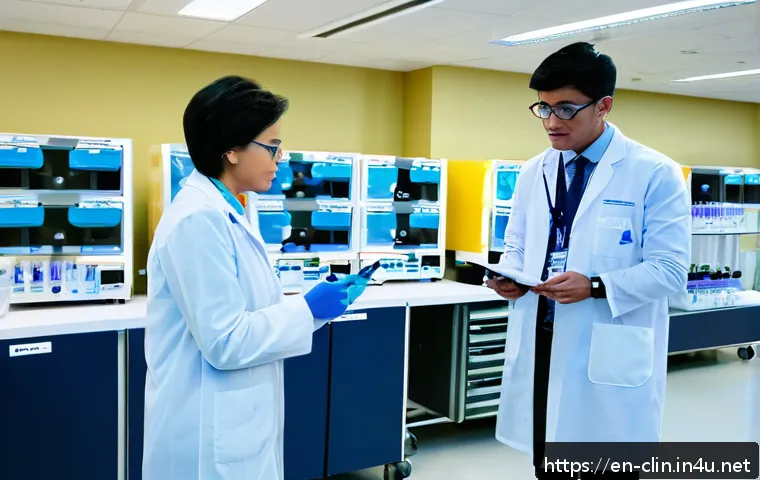
With breakthroughs emerging almost daily, lifelong learning isn’t just an option—it’s a necessity. I’ve witnessed firsthand how ongoing education transforms not only skills but also confidence and career opportunities.
Join me as we explore why committing to lifelong learning is the game-changer every lab professional needs to thrive in this dynamic field.
Adapting to Rapid Technological Advances in the Lab
Keeping Up with Cutting-Edge Diagnostic Tools
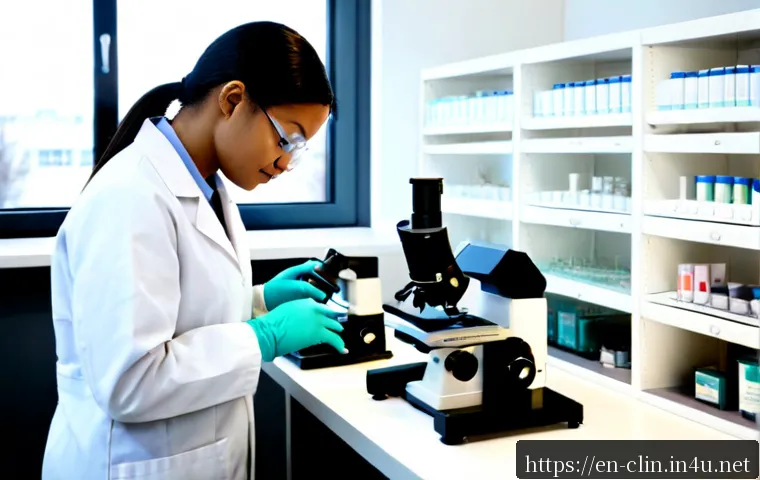
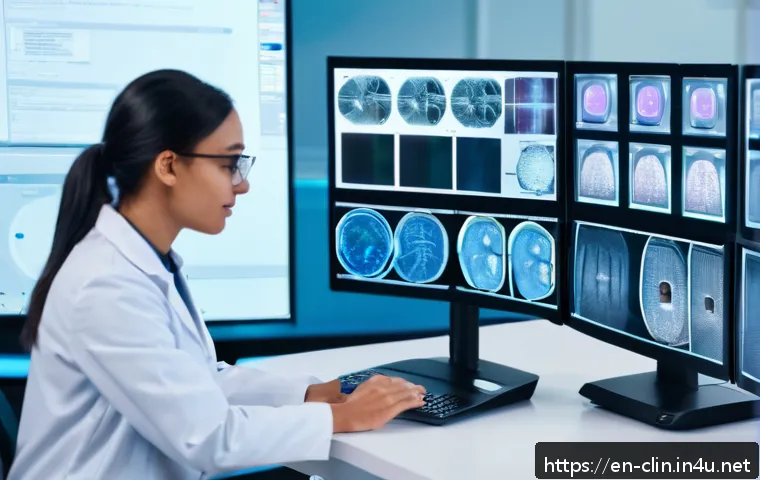
The pace at which diagnostic technologies evolve is nothing short of breathtaking. Just a few years ago, automated analyzers and molecular diagnostics were revolutionary; now, next-generation sequencing and AI-powered image analysis are becoming standard tools.
For clinical laboratory professionals, staying current means more than occasional workshops—it requires a deep commitment to exploring new equipment, software, and methodologies as soon as they hit the market.
Personally, I’ve found that diving into manufacturer webinars and hands-on training sessions helps me feel confident when integrating these tools into daily workflows.
Without that ongoing learning, it’s easy to fall behind and miss out on the accuracy and efficiency these technologies offer.
Understanding the Impact of Emerging Techniques on Patient Care
It’s one thing to know how a new test works, but another to appreciate its clinical relevance. Continuous education provides the context needed to interpret results accurately and advise clinicians effectively.
For example, when liquid biopsy techniques started gaining traction, early adopters who invested time in understanding the nuances could better guide oncologists on when and how to use these tests.
I’ve witnessed colleagues who actively pursue updates on assay sensitivity and specificity become invaluable resources within their teams, ultimately improving patient outcomes.
This ongoing knowledge exchange not only sharpens technical skills but also enhances communication across departments.
Strategies to Incorporate Learning Amidst Busy Schedules
Between heavy workloads and emergency cases, finding time for education can feel impossible. However, integrating microlearning—short, focused educational bursts—has been a game changer.
Podcasts, quick e-learning modules, and case study discussions during breaks make learning manageable. In my experience, setting weekly goals like reviewing one new research article or attending a 30-minute webinar keeps momentum without overwhelming my schedule.
Institutions that encourage protected learning time see their staff more engaged and less prone to burnout. Balancing practical duties with continuous education requires intentional planning, but the payoff in skill retention and confidence is undeniable.
Building Expertise Through Certification and Specialized Training
The Value of Professional Certifications
Certifications like ASCP or AMT aren’t just badges; they represent mastery and dedication to the profession. Earning and maintaining these credentials demands ongoing education and periodic testing, which naturally fosters lifelong learning.
When I pursued my certification renewal, I discovered new guidelines and best practices that had emerged since my initial exam. This process pushed me to reassess and update my knowledge, which directly improved my day-to-day laboratory work.
Moreover, employers often recognize certified professionals as more reliable and committed, opening doors to leadership roles and salary advancements.
Choosing the Right Specialty Courses
The clinical laboratory field is vast, covering hematology, microbiology, molecular diagnostics, and more. Specializing through targeted courses allows professionals to deepen expertise in areas that align with their interests or institutional needs.
For example, I took a molecular diagnostics course focusing on PCR techniques, which not only enhanced my technical skills but also gave me the confidence to troubleshoot complex assays independently.
Choosing relevant courses involves assessing current knowledge gaps and future trends. When aligned well, this focused learning accelerates career growth and keeps skills sharp.
Networking and Mentorship as Learning Tools
Joining professional organizations and seeking mentorship provide learning opportunities beyond formal education. These connections expose you to diverse perspectives, new research, and practical tips that textbooks may miss.
In my early career, a mentor’s guidance helped me navigate challenging cases and develop problem-solving skills that only come with experience. Attending conferences and workshops also fosters a sense of community, motivating ongoing learning through shared passion.
These relationships create a support system that sustains enthusiasm and growth throughout one’s career.
Integrating Evidence-Based Practice into Daily Routine
Why Evidence-Based Practice Matters in the Lab
Evidence-based practice (EBP) ensures that clinical decisions and laboratory procedures are grounded in the best available research, minimizing errors and improving reliability.
For laboratory professionals, this means constantly reviewing new studies, guidelines, and quality improvement data to refine protocols. I’ve learned that adopting EBP not only elevates the lab’s credibility but also enhances job satisfaction by knowing you’re contributing to patient safety and care excellence.
It’s a dynamic process that turns lifelong learning into practical, impactful actions.
Implementing Protocol Updates and Quality Control
New evidence often translates into updated testing protocols or quality control measures. Staying informed allows you to anticipate these changes and implement them smoothly.
For instance, when revised cutoff values for certain biomarkers were published, labs that proactively trained staff avoided delays and errors. From my experience, organizing in-house training sessions and creating accessible reference materials helps the entire team adapt quickly.
This collective learning effort fosters a culture of continuous improvement and accountability.
Tracking and Measuring Learning Outcomes
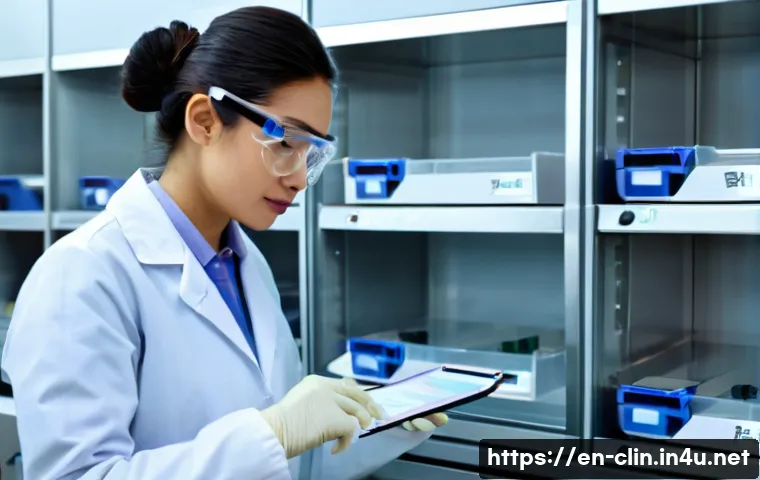
To ensure that ongoing education truly benefits the lab, tracking learning outcomes is essential. This can include competency assessments, proficiency testing scores, and feedback surveys.
I’ve found that reflecting on these metrics helps identify areas needing further training and validates the time invested in learning activities. Institutions that prioritize monitoring also tend to allocate resources more effectively toward professional development.
This data-driven approach reinforces the value of lifelong learning in everyday practice.
Harnessing Digital Resources for Flexible Learning
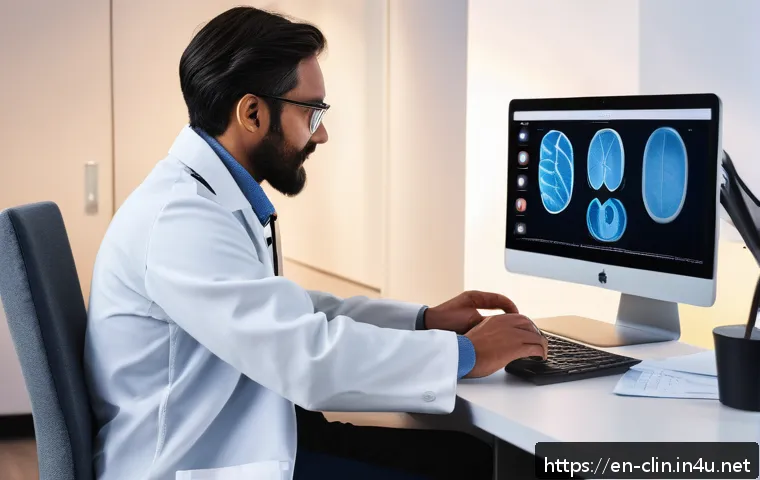
Online Courses and Webinars as Learning Platforms
The explosion of digital learning platforms offers unprecedented access to high-quality education anytime, anywhere. I’ve taken advantage of MOOCs and specialized webinars to explore topics beyond my immediate job scope, such as bioinformatics and lab management.
These resources often feature expert instructors and up-to-date content that would be hard to find locally. The flexibility to learn at my own pace has been invaluable, especially during busy periods.
Choosing reputable platforms ensures that the knowledge gained is accurate and relevant.
Utilizing Mobile Apps and Virtual Simulations
Mobile apps for laboratory professionals provide quick references, calculators, and interactive quizzes that reinforce learning on the go. Virtual lab simulations offer hands-on practice without the risks associated with live samples.
In my experience, these tools make abstract concepts more tangible and boost retention. For example, practicing blood smear identification through a virtual microscope app sharpened my diagnostic skills before applying them in real cases.
Incorporating these digital aids enhances engagement and makes continuous education more enjoyable.
Social Media and Online Communities for Peer Learning
Platforms like LinkedIn, Reddit, and specialized forums connect lab professionals worldwide, facilitating knowledge exchange and discussion of emerging trends.
Participating in these communities allows you to ask questions, share experiences, and learn from others’ challenges and successes. I’ve found that following thought leaders and joining interest groups keeps me updated on industry news and innovative techniques.
This informal learning complements formal education and fosters a sense of belonging in the professional community.
Balancing Workload and Educational Growth
Time Management Techniques for Professionals
Juggling demanding workloads with continuous learning requires strategic time management. I’ve adopted techniques like the Pomodoro method to carve out focused study intervals without sacrificing productivity.
Prioritizing learning during low-peak hours or integrating it into daily routines—such as reviewing articles during commutes—helps maintain consistency.
Setting realistic goals and tracking progress prevents burnout and keeps motivation high. Institutions that promote flexible schedules or learning leaves empower their staff to pursue growth without guilt.
Leveraging Employer Support and Resources
Many healthcare organizations recognize the value of lifelong learning and offer support through tuition reimbursement, paid training days, or access to educational subscriptions.
Taking advantage of these benefits not only reduces financial barriers but also signals your commitment to career development. I’ve personally benefited from employer-sponsored workshops that introduced me to new technologies ahead of widespread adoption.
Advocating for such resources within your institution can create a culture that values and sustains professional growth.
Self-Care as Part of Sustainable Learning
Continuous education can become overwhelming if it compromises well-being. Incorporating self-care practices—adequate rest, physical activity, and mindfulness—supports cognitive function and resilience.
From experience, I know that taking breaks and maintaining work-life balance fuels my ability to absorb and apply new knowledge effectively. Recognizing when to pause and recharge ensures that lifelong learning remains a positive and enriching journey rather than a source of stress.
Comparing Learning Modalities and Their Benefits
| Learning Modality | Advantages | Challenges | Ideal Use Cases |
|---|---|---|---|
| In-Person Workshops | Hands-on practice, immediate feedback, networking opportunities | Scheduling conflicts, travel costs, limited availability | Skill-intensive training, certification prep |
| Online Courses | Flexible timing, wide range of topics, often self-paced | Requires self-discipline, less interaction, potential technical issues | Theory-based learning, broad skill development |
| Webinars | Up-to-date content, expert insights, interactive Q&A | Limited duration, passive learning, possible time zone issues | Staying current with trends, brief knowledge updates |
| Mobile Apps & Simulations | Interactive, accessible anytime, engaging formats | Limited depth, dependent on device compatibility | Skill reinforcement, quick reference |
| Peer Learning & Mentorship | Personalized guidance, real-world insights, motivation | Depends on mentor availability, variable quality | Career development, problem-solving support |
In Conclusion
Adapting to rapid technological advances in the laboratory is essential for maintaining excellence in patient care and professional growth. Embracing continuous education, certification, and flexible learning tools empowers lab professionals to stay ahead in a dynamic field. Balancing workload with ongoing learning fosters both confidence and career advancement. Ultimately, a proactive approach to knowledge integration benefits not only individuals but the entire healthcare community.
Helpful Information to Keep in Mind
1. Prioritize microlearning opportunities such as podcasts and short webinars to fit education into a busy schedule effectively.
2. Seek professional certifications and specialty courses to deepen expertise and enhance career prospects.
3. Utilize digital resources like online platforms, mobile apps, and virtual simulations to access flexible, up-to-date training.
4. Engage with professional networks and mentors to gain practical insights and foster continuous motivation.
5. Practice self-care and time management strategies to sustain long-term educational growth without burnout.
Key Takeaways
Continuous adaptation to emerging technologies and evidence-based practices is critical in clinical laboratories. Committing to lifelong learning through diverse modalities ensures accurate diagnostics and improved patient outcomes. Leveraging institutional support and digital tools enhances accessibility and effectiveness of education. Balancing professional duties with intentional learning and well-being maintains motivation and skill mastery throughout one’s career journey.
Frequently Asked Questions (FAQ) 📖
Q: uestionsQ1: Why is lifelong learning essential for clinical laboratory professionals?
A: Lifelong learning is crucial because the healthcare field, especially clinical laboratories, is constantly evolving with new technologies and diagnostic methods.
Staying updated helps professionals maintain accuracy, improve patient outcomes, and remain competitive. From my own experience, those who invest in continuous education often find themselves more confident and better prepared to tackle complex challenges.
Q: How can I effectively balance ongoing education with a busy work schedule?
A: Balancing work and learning can be tough, but it’s doable with the right approach. I’ve found that setting small, achievable goals—like dedicating 20 minutes a day to reading articles or taking short online courses—makes continuous learning manageable.
Also, many labs offer flexible training programs or webinars that fit into irregular schedules, which helps a lot in staying current without feeling overwhelmed.
Q: What types of learning resources are most beneficial for lab professionals?
A: A mix of resources works best. Hands-on workshops and certification programs provide practical skills, while online courses and journals keep you informed on the latest research and trends.
Personally, I rely heavily on peer-reviewed journals and interactive webinars because they combine expert insights with real-world applications, helping me apply new knowledge directly to my daily tasks.